All software

GNU Astronomy Utilities (Gnuastro)
GNU Astronomy Utilities (Gnuastro) is an official GNU package consisting of various programs and library functions for the manipulation and analysis of (astronomical) data. All the programs share the same basic command-line user interface based on the GNU coding standards.
- astronomy
- Data Analysis
- Image processing
- + 4
- C
- C++
- M4
- + 3

ArrayAnalysis
ArrayAnalysis provides a user-friendly solution for transcriptomic data analysis. It allows researchers, regardless of their bioinformatics expertise, to efficiently analyse, explore, and interpret RNA sequencing and microarray datasets.
- Data Analysis
- data visualization
- microarray
- + 2
- Batchfile
- HTML
- Inno Setup
- + 2

Code and data underlying the publication: City3D: Large-scale Building Reconstruction from Airborne LiDAR Point Clouds
Code and data underlying the publication: City3D: Large-scale Building Reconstruction from Airborne LiDAR Point Clouds
- Building
- Point Cloud
- Surface-reconstruction
- + 1
- Automake
- C
- C++
- + 8
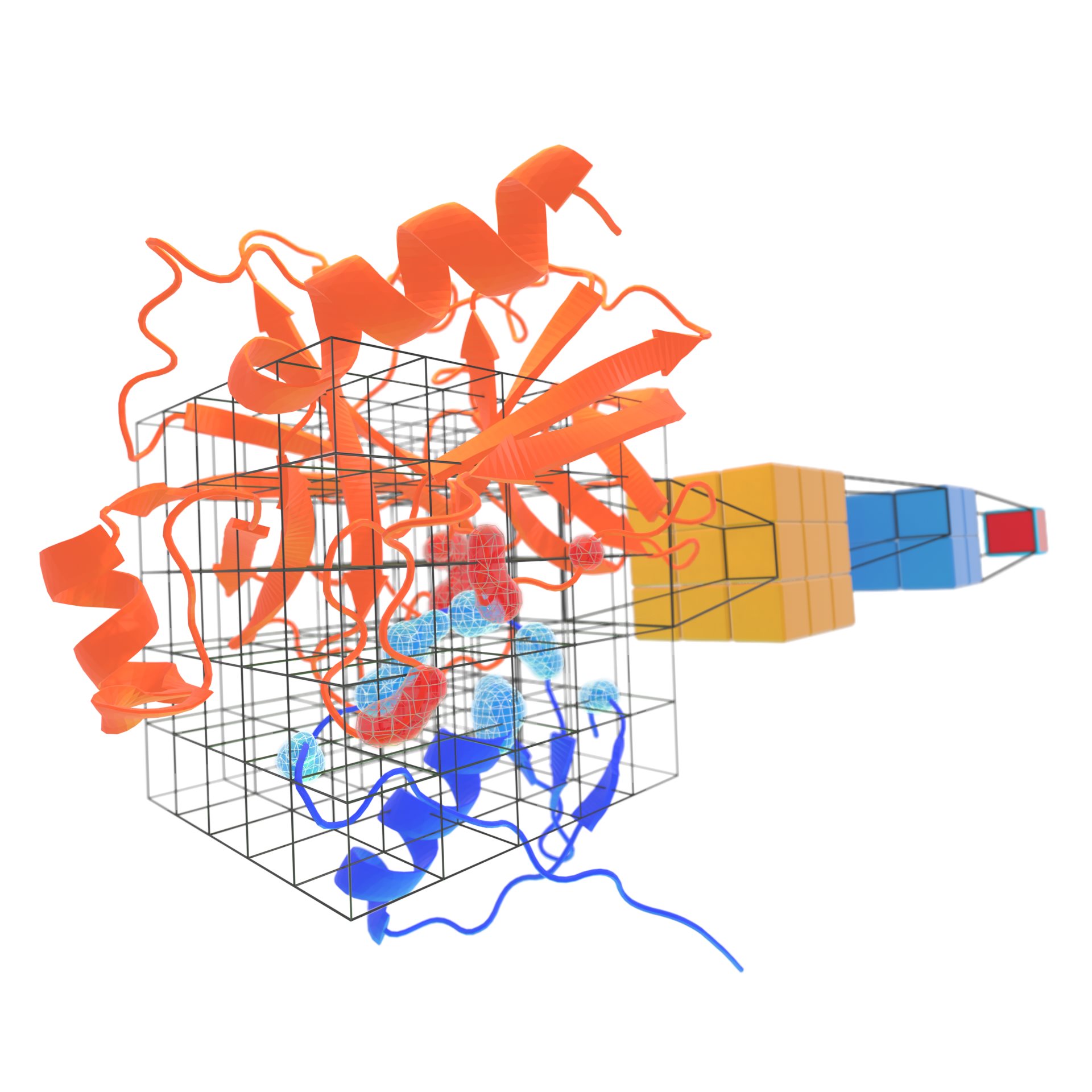
DeepRank
Deep learning framework for data mining protein-protein interactions using CNN
- Big data
- Machine learning
- Optimized data handling
- C
- Makefile
- Python
- + 2

CaNS
Canonical Navier-Stokes is a library for massively-parallel numerical simulations of fluid flows.
- Computational Fluid Dynamics (CFD)
- GPU
- Numerical analysis
- Awk
- Fortran
- Makefile
- + 3
Paired omics data platform
If you do metabolomics experiments with mass spectra and have sequenced the genomes of the samples, then the platform can help you link them.
- Inter-operability & linked data
- CSS
- Dockerfile
- HTML
- + 3
GrainLearning
Unsure about the parameters of your grains in a computer simulation? Use Iterative Bayesian Filtering to learn parameter distributions from limited data. Is your model running slowly? Speed up your simulations with machine-learning surrogates. All these features are integrated within GrainLearning.
- Bayesian Inference
- Data assimilation
- Machine learning
- + 2
- Jupyter Notebook
- PureBasic
- Python
- + 1
Parcels
Parcels (Probably A Really Computationally Efficient Lagrangian Simulator) is a set of Python classes and methods to create customisable particle tracking simulations using output from Ocean Circulation models. Parcels can be used to track passive and active particulates such as plastic and fish.
- lagrangian-ocean-modelling
- ocean-circulation-models
- particles
- Python
- Shell
TraP: The LOFAR Transients Pipeline
The LOFAR Transients Pipeline (or "TraP") is a Python and SQL based system for detecting and responding to transient and variable sources in a stream of astronomical images.
- Image processing
- radio astronomy
- Source association
- + 3
- Mako
- PLpgSQL
- Python
- + 1
CHI2023_DKE
User Interaction Dataset for CHI 2023 paper "Knowing About Knowing: An Illusion of Human Competence Can Hinder Appropriate Reliance on AI Systems."
- Appropriate Reliance
- DunningKruger Effect
- Human-AI Decision Making
- + 1
- large-text-file
- Markdown
- Other
- + 2

PROTEUS
PROTEUS is a Python framework that simulates the coupled evolution of the atmospheres and interiors of rocky planets.
- Exoplanets
- model coupling
- Julia
- Jupyter Notebook
- Python
- + 2

grlc
Builds a web API from SPARQL queries hosted on GitHub to accessing triple store data.
- garlic
- Inter-operability & linked data
- CSS
- Dockerfile
- HTML
- + 4